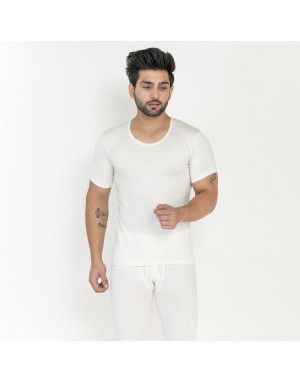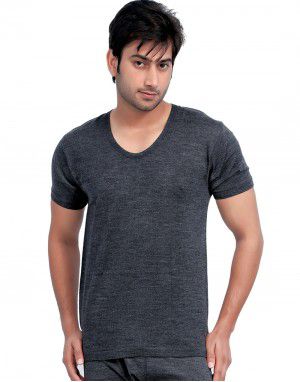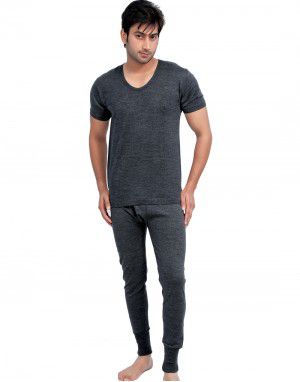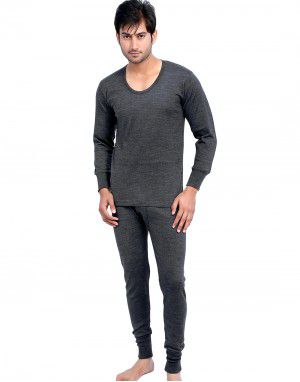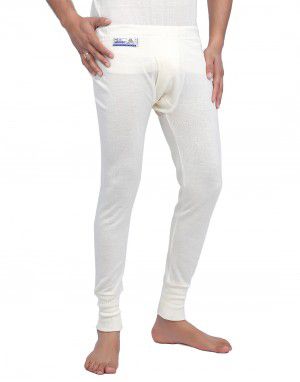

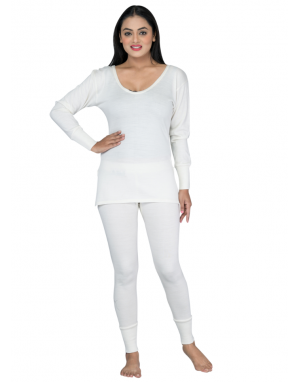
Earlier thermal clothes were used as inner wear only. But in recent times, they have been upgraded with further designs which make them eligible to be used as normal piece of clothing stand alone winter wear. The popularity of this form of winter wear is not influenced by their comfort value, but by their usefulness and the advantages they offer over the other forms of clothing. In fact, when you undertake thermal wear for women online, they help you to dress in style without making yourself to appear bulkier thus making a strong fashion statement as well.
Though prominently used in the cold countries in the world, thermal wear finds its use all over the world. Over the years, this winter wear has gained a major transformation from an inner wear to an outer piece of clothing. In most of the cases, a good thermal wear can be used without any supplementary clothing. Features of thermal wear Thermal wear was established and previously used as under garments. Their design has no features, and was simple and plain in workout. Different weaving techniques, and features like material of the fabric have been introduced.
They were modeled as a normal piece of clothing and some features incorporated in thermal wear are as follows Material used is normally cotton, or a combination of cotton along with polyester Texture of the fabric is box weave On the liner of the inner surface, there is a thin polyester Various varieties of wool or Marino are used in Europe In a union suit, Fannel is used which is a form of thermal wear where all the parts are connected Working of thermal wear Thermal wear normally works on the principle of insulation.
Materials used in this form of clothing add a layer of insulation between the garment and the body. The material is used is tightly weaved and closely knitted so that the thermal wear retains the warmth produced by the body. Minimum amount of moisture is absorbed from the body, which regulates air flow in the insulating layer formed and paves way for quick drying. In a way, the extra layer on the inner surface allows better retention, and in this bargain, the skin is kept dry. These insulating properties are not offered by cotton when it becomes wet.
This is the opposite with the case of wool as it allows insulation when it gets wet. Since wool is a natural retardant fiber, it has numerous advantages over cotton.
-300x382.png)

-300x382.png)