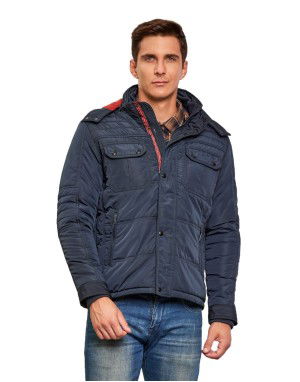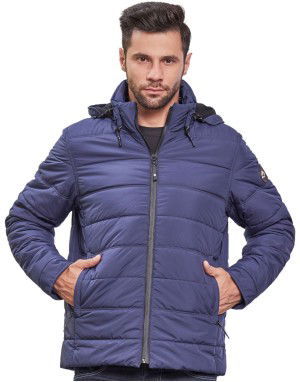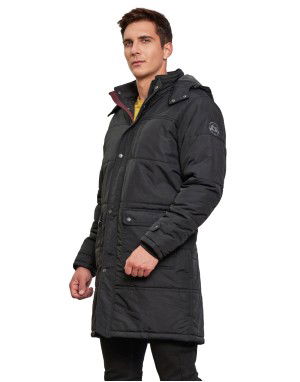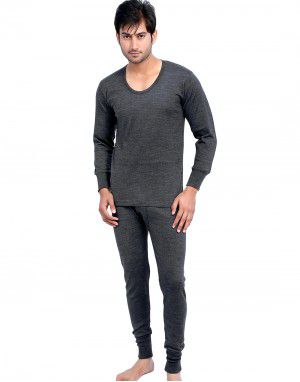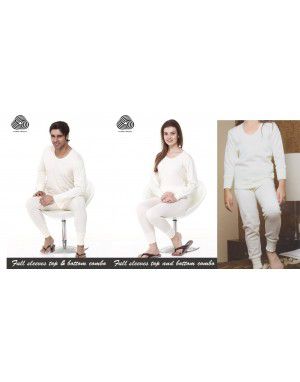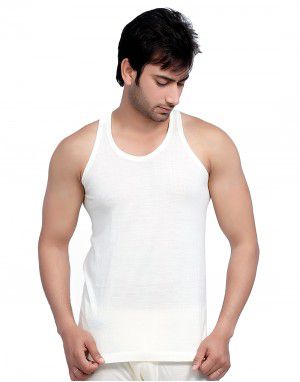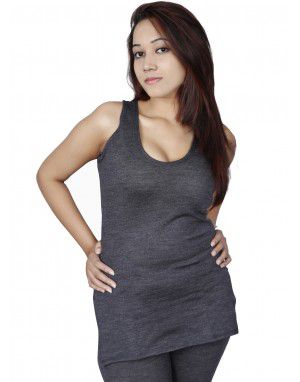

The most adaptable approach to dress for winter strolling is utilizing a layering framework, which includes utilizing various layers to trap air and give protection. The upside of wearing different layers is that you can manage temperature more promptly than if you wear only a couple of thicker layers.
Clothing/BASE LAYER
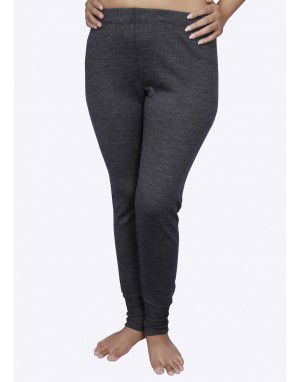
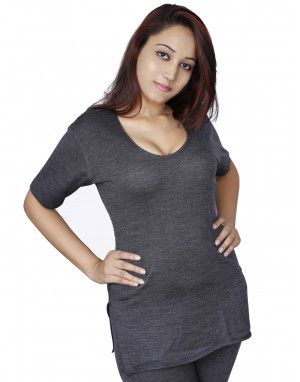
We prescribe you to wear warm clothing. Merino wool is the best decision for material, yet a specialized material is additionally acceptable. Wear it straightforwardly close to your skin.
MIDLAYER
The subsequent layer could be something like perspiration jeans and shirt, or downy pants and a wool shirt. At the point when it gets extremely cold you may need to utilize a third layer of attire under your external coat, a fleece jumper for instance.
External LAYER
The external layer's main responsibility is to shield you from wind and mugginess. Winter or parka coats are regularly viewed as probably the best coat due to a decent insulation.Also ski coats and cushioned coats ought to carry out the responsibility, as long as they have a decent protection as well and are sufficiently thick. Ensure that your coat accompanies a hood.
Same guidance apply to the pants as well. So getting an extraordinary pair of protected winter chilly climate jeans can be inconceivably useful in keeping you pleasant and toasty while overcoming the coldest of chilly climate. It is acceptable, if the material is waterproof. Simply ensure that your external layer isn't too tight on the grounds that air between the layers you are wearing additionally goes about as a cover and will assist you with keeping warm.
FOOTWEAR
Snow boots or winter climbing boots are the best decision. Winter boots should be 1 or 2 sizes greater than your typical shoe size, since you have to have enough space inside for ordinary socks and fleece socks. There still should be space inside your shoe, to feel good and it is the air inside that keeps your toes warm. You can likewise utilize warm insoles.
Head
- Most body heat is lost through the head so a well fitting fleece or wool cap is fundamental, covering your ears.
- On the off chance that the climate is especially terrible a balaclava gives your face more insurance.
- In hotter conditions a headband will keep your ears warm.
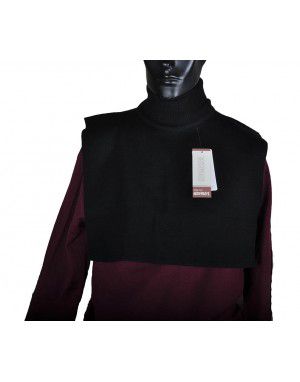
- A downy neck gaiter is additionally extremely valuable.
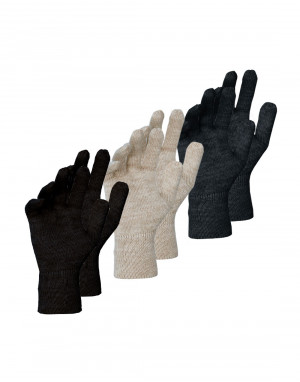
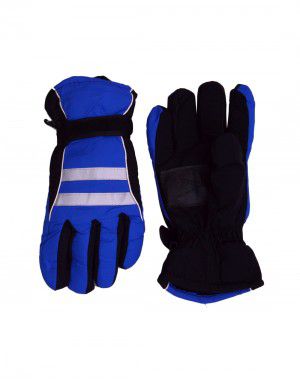
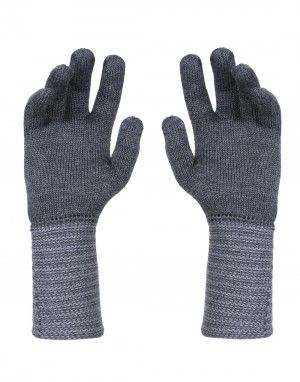
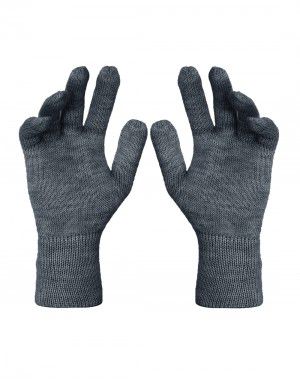
Hands
- No gloves will remain waterproof, so it merits conveying various sets.
- Mittens will be hotter however less apt than gloves - a significant thought when taking care of an ice hatchet or a compass.
- Have a slight pair for low level strolling and a thicker pair for to wear on top for higher, colder conditions.
- Convey an extra pair for extremely chilly conditions or if your first pair(s) gets wet.
At the point when it snows, the ground gets elusive. So wear fitting shoes with a decent grasp. Like we referenced previously, wrap up warm in layers. Wear a protected vest and base layer. Furthermore, guarantee everything is waterproof. A hooded coat on top is fundamental. Just as a waterproof, protected cap or balaclava and gloves.