
I wouldn't state it's gainful to wear summer garments in the winter. What's more, it isn't really unsafe either. Much relies upon where you live. Numerous spots don't see gigantic varieties in temperature or climate from summer to winter. Summer and winter require totally different garments. On the off chance that you work in an office with satisfactory warming and cooling, you can probably pull off wearing similar nuts and bolts paying little mind to season, as long as you have a decent, warm winter cover with gloves and boots for winter.
Since you are inquiring as to whether it is beneficial to wear summer garments in winter, I expect you intend to inquire as to whether there may be a medical advantage from wearing lightweight cotton dress with no layering during January. On the off chance that you need to be awkward (freezing), and are not stressed over frostbite to your toes while wearing shoes or getting a fever from an absence of warmth, at that point definitely, proceed. Be that as it may, don't be shocked if individuals start to scrutinize your psychological well-being.
Cold temperatures place physiological weights on the body, the more sound and fit you are, the more effectively your body can adapt to these burdens. Dressing appropriately is the way to being sound in a chilly atmosphere. Evading undue burdens especially in the event that you are not occasionally acclimatized to the virus is additionally significant, particularly in the old, the youthful and those with a basic wellbeing condition.
Day off frigid temperatures can place your wellbeing in danger from numerous points of view.Extreme chilly climate can be unsafe. Here are the top perils.
- Frostbite. This outcomes from cold temperatures harming portions of your body, frequently your ears, nose, cheeks, jaw, fingers, and toes.Frostbitten skin may look white or dim and can feel hard or waxy. Rankles can shape. You may likewise experience difficulty moving that piece of your body. In extreme cases, the skin will turn dark.
- Hypothermia. This condition happens when your internal heat level dips under 95˚F (35˚C). This outcomes from your body losing more warmth than it can make, for example, when you are presented to cold or water.
- Heart issues. Chilly climate can expand your danger of a coronary failure. At the point when you're outside exposed, your heart works more diligently to keep you warm — prompting expanded pulse and circulatory strain.
Things you ought to do to keep warm and well in chilly climate:
- Keep your home at the correct temperature.
- Turn the warmth up in case you're as yet cold.
- Keep the warmth in overnight.
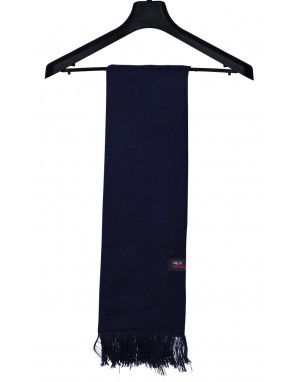
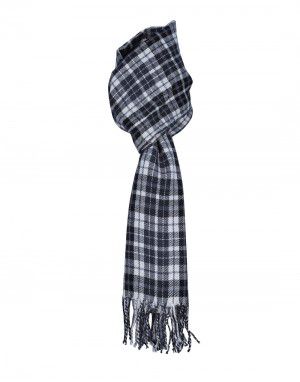
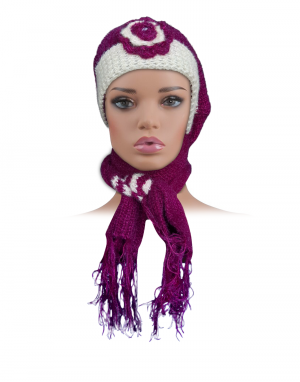
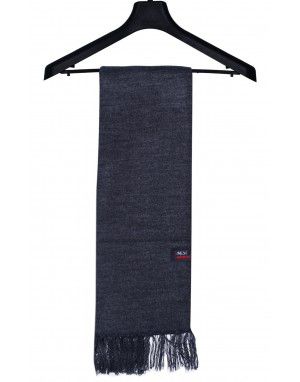
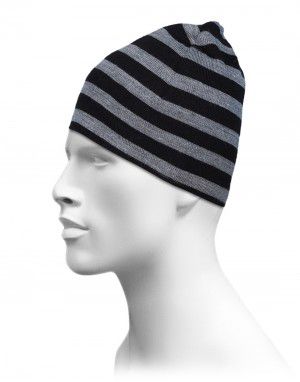
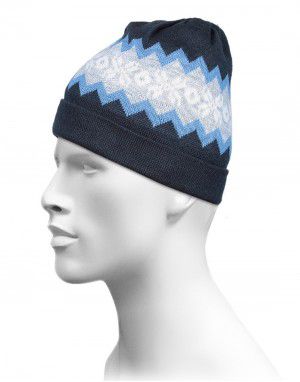
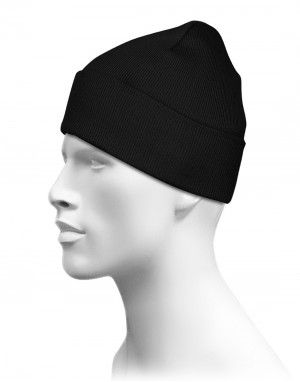
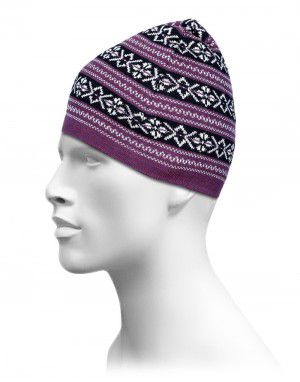
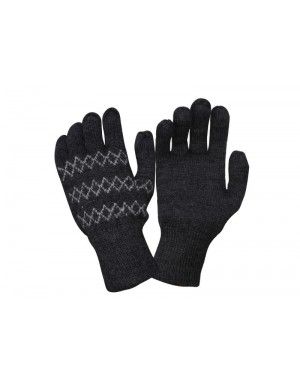
- Dress in layers. A couple of slim layers work better than one thick layer of pieces of clothing. Garments produced using fleece or warm materials are ideal. Consider warm clothing, tights, caps, gloves and scarfs.
- Utilize boiling water bottles, electric covers and wheat packs.
- Be readied in case you're taking off. Wear warm footwear with non-slip bottoms, and keep hands, heads and faces warm.
- Keep as dynamic as could be expected under the circumstances.
-300x382.png)