
Remaining warm is the essential thought in choosing what to wear when you go skiing.All else is secondary.This article spreads out the rudiments to keep you warm and shielded from winter climate—without limiting your ability to shine.
Here's a speedy introduction on what to wear skiing:
Long clothing: This layer wicks sweat off your skin and keeps you warm. Pick fleece, manufactured or silk (not cotton). You'll need lightweight or midweight relying upon the outside temperature and whether you run hot or cold.
Light downy or fleece top: Wear it over your long clothing top in the vehicle and the hotel; wear it under your coat to include warmth the slants.
Ski socks: Ski socks are taller than your boots and not excessively (thick socks can really make your feet colder on the off chance that they make your boots excessively close and limit your blood course). Some have cushioning at the shins. Go with fleece or manufactured socks and abstain from wearing cotton socks since, when cotton socks get wet from day off perspiration, they take perpetually to dry out.
Ski coat : These are generally waterproof or water safe, and protected, with advantageous pockets and other snow-explicit highlights. A waterproof/breathable downpour coat over your downy or fleece top would be adequate too, however its smoothness may stretch any slides you make after a fall.
Ski jeans (or tuckers): Waterproof or water safe, and protected, these occasionally have helpful pockets, vents and highlights to forestall snow entering your boots. Waterproof/breathable downpour jeans would be adequate also. You can include wool pants underneath for more noteworthy protection.
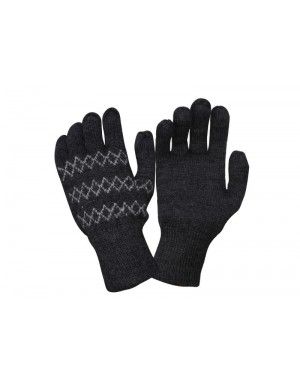
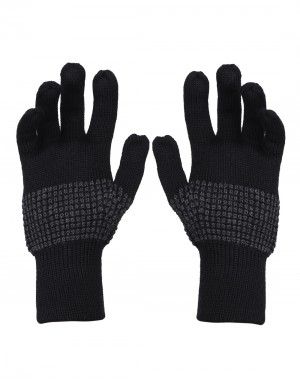
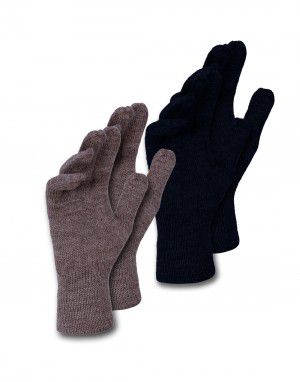
Gloves: Choose waterproof or water safe and protected. For the most part, more prominent thickness rises to more noteworthy warmth, and mittens will in general be hotter than gloves, however you penance some smoothness (however internal liner gloves offer adaptability). You needn't bother with ski explicit gloves, yet they do have some pleasant highlights, as implicit goggle wipes and long sleeves that go up to mid-lower arm to keep snow out.
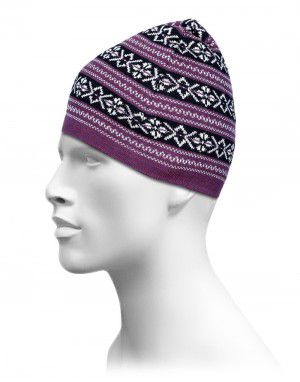
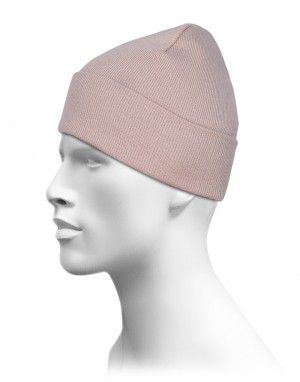
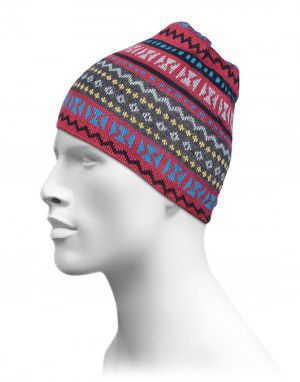
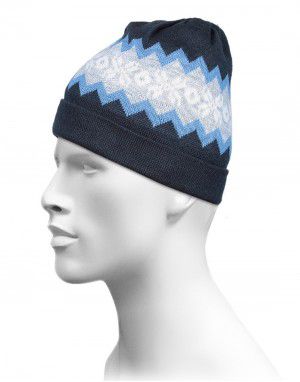
Cap: Not obligatory, yet energetically suggested, a ski cap secures your head, and it keeps your head and ears warm and dry. (Wear a warm cap in case you're not utilizing a protective cap.) Most ski resorts lease these, so you don't need to get one immediately.
Goggles: These shield your eyes from wind, day off glare. Watch that they work with your protective cap, your face shape and fit over glasses on the off chance that you wear them. You need them to fit without holes. On the off chance that you don't possess a couple, check whether you can obtain some from a companion for a day. On the off chance that it's not effectively snowing, shades are a fine substitute.
Neck gaiter or balaclava: You can pull a neck gaiter up over your nose in cold temps; a balaclava offers much more prominent inclusion.
Remember the sunscreen: Avoid the racoon look and slather on the sunscreen on uncovered skin. Daylight is progressively extreme at higher heights, and snow glare mirrors the sun and heightens burn from the sun and skin harm. Remember the undersides of your jaw, nose and ears.