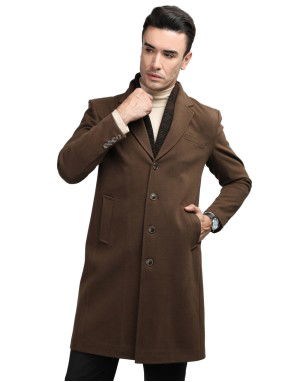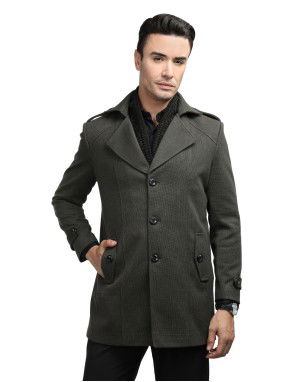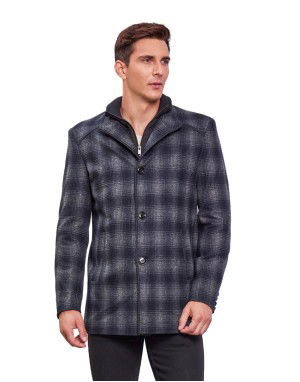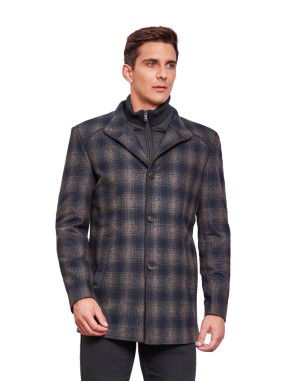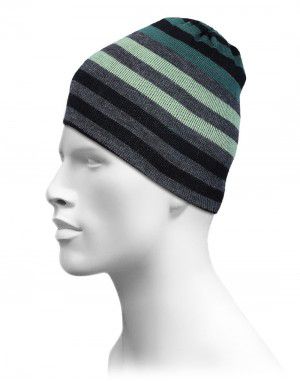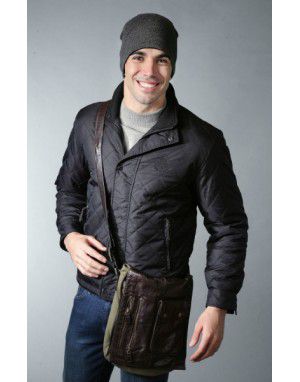

Boston winter can get freezing at times.Adaptability and flexibility are significant in dressing for Boston climate. Wearing a reasonably warm winter coat and pair of boots can improve things significantly when the climate hits frosty temperatures, so placing idea into picking the correct ones shouldn't be ignored.
There are two primary sorts of winter coat separators: down and manufactured.
Down coats give the best warmth maintenance, so they'd be the correct decision for those attempting to locate the hottest conceivable alternative. To pass judgment on a down coat's glow, take a gander at either the down fill power or the level of down versus plumes inside the protection. Down fill power, which is basically a quantitative estimation of the down protection's quality, is estimated on a scale from 400 to 900, with 900 being the best quality (and generally costly). The higher the fill power, the hotter the coat will be.
Numerous outside or outdoors stores will promote a winter coat's down fill power, yet retail chains that sell more affordable coats tend not to be so specialized. All the more ordinarily recorded on sites or garments labels for coats in a lower value range will be two rates: one that rundowns the amount of the protection is comprised of down — the delicate, white, cushioned quills that keep ducks and geese warm — and what rate is comprised of (less warm) external plumes. The more the rate favors down over quills, the hotter the coat. Along these lines, a coat that is 80 percent down and 20 percent plumes will be better protected (and pricier) than one that is 60 percent down and 40 percent quills.
Manufactured protection, which is comprised of plasticized strands like polyester, is more affordable than down. Engineered coats don't protect just as down does, so they won't be as warm. While artificially protected coats perform better in wet climate — down protection needs security with a water-evidence external shell — they likewise will in general be bulkier and increasingly hard to pack for pressing.
When looking for overwhelming winter boots, the measure of protection is commonly more imperative to search for than the material utilized (almost constantly manufactured, with the exception of extravagance brands). The engineered protection is estimated in either millimeters or grams — extending from around 100 to 600 grams — relying upon the dealer. Heavier protection implies the boot will be hotter and progressively agreeable, because of the pady feel. It's useful if the covering is removable, in light of the fact that it tends to be removed from the boot and hung up to dry in the event that it gets wet.
It's likewise urgent to dress shrewd when practicing outside vulnerable.
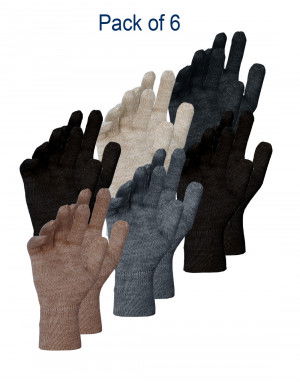
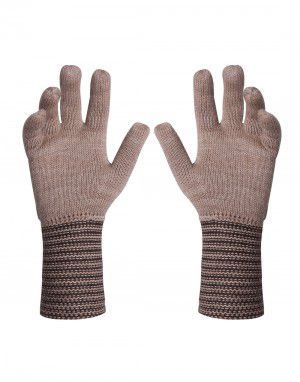
Layering is an unquestionable requirement for open air exercise, and it's smarter to wear garments made of manufactured filaments rather than cotton for the layers that touch the skin. Remember your cap and gloves, and select outerwear that is wind-safe and shoes with a lot of footing to abstain from slipping on ice.