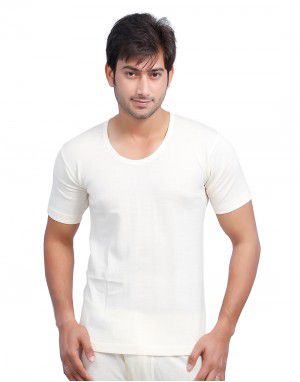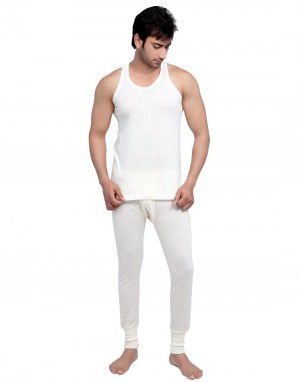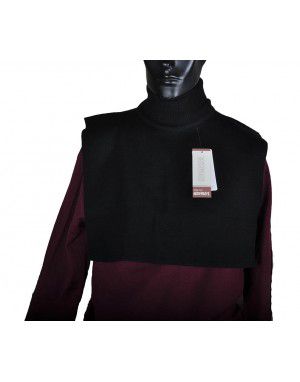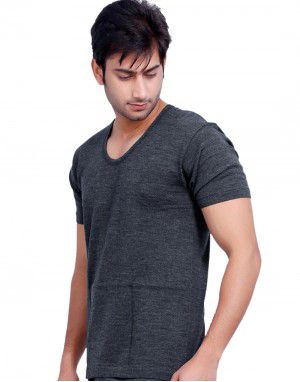

It relies upon the trek itself (Height, temperature, wind and timing of the trek). It's ideal to wear in layers, and use it according to the temperature and wind circumstance.
Significant FACTORS WHEN CHOOSING TREKKING CLOTHING
1. Your wellbeing: Clothing security will rely to a great extent upon the place you're climbing in, alongside the conceivable climate conditions. For example,if you'll be climbing in downpour, a windproof downpour coat is significant since wind and downpour will in general go inseparably.
2. Your solace level: There is an explanation the expression "cotton is spoiled" exists in the climbing scene. Perspiring is our body's method of managing our temperature during exercise. Cotton holds water and keeps the perspiration in toward your body, which can keep you hot in warm temperatures and chill in cool temperatures. Rather, wicking materials that move sweat away from the body, for example, merino fleece, polyester and nylon, can keep you substantially more agreeable all through your trek.Choosing a roomier fit gives greater adaptability and solace while climbing.
3. Garments adaptability: Quality apparatus can accompany a heavy sticker price, so remember apparel that can be utilized for various purposes. Two pieces of clothing that strike a chord are a) lightweight climbing shirts with long sleeves that can be moved up and made sure about, and b) convertible jeans with trouser legs that hurdle off into shorts.
What to Wear: THE BASICS
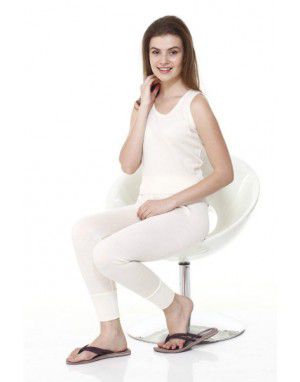
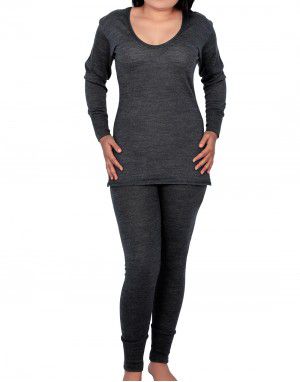
Polyester, nylon or merino wool underpants (and everything else): These materials move sweat off skin and dry quick, so they're perfect for close to-skin layers, for example, briefs, tees, sports bras or long clothing, and for socks. That dampness the executives capacity implies those materials function admirably for the remainder of your attire also.
Shirts: This layer summarizes in single word: wicking. Regardless of whether it's a base layer on a virus winter climb, a casual shirt on a spring climb, or a long-sleeved UPF-ensuring shirt in the late spring, it needs to wick away perspiration to keep you agreeable and dry. Merino fleece and synthetic materials are the best decisions for this layer.
Agreeable yet tough jeans: Trails have exciting bends in the road, so you have to move openly. Branches and rocks, however, can shred dainty, stretchy tights or yoga pants.
Jackets: The sort of jacket relies to a great extent upon the season and climate you're climbing in. A decent general guideline is to pick a jacket that is packable (on the off chance that you have to evacuate it en route), waterproof and windproof. This guarantees the jacket is usable in any climate condition that may jump up on you during your trek.
Socks: Not to sound extremely repetitive here, yet avoid cotton socks! Since cotton ingests sweat, your feet can remain wet for the entire trek. This can prompt agonizing rankles and make your trek hopeless.
Durable shoes: You don't must have cowhide boots, yet your footwear ought to offer help, insurance from rocks and roots, and footing on wet and dry surfaces.
Caps: Every season requires a cap! It keeps your head warm in winter, the sun off your face and neck in summer, and your head dry in downpour. Caps are as basic as climbing shoes!