
Warm protection is the technique for restraining the exchange of warm vitality starting with one region then onto the next. As it were, warm protection can keep an encased territory, for example, a structure warm, or it can keep within a holder cold.
Warmth is moved by starting with one material then onto the next by conduction, convection as well as radiation. Covers are utilized to limit that move of warmth vitality. In home protection, the R-esteem means that how well a material protects.
Where thermal insulation is utilized
In the event that you have an article or region that is at a specific temperature, you might need to keep that material from turning into a similar temperature as neighboring materials. This is generally done by utilizing a warm protection obstruction.
For instance:
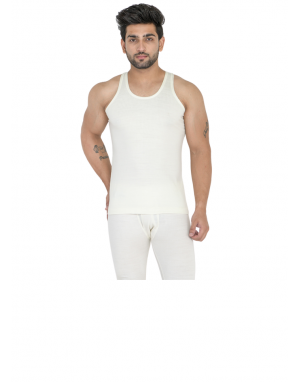
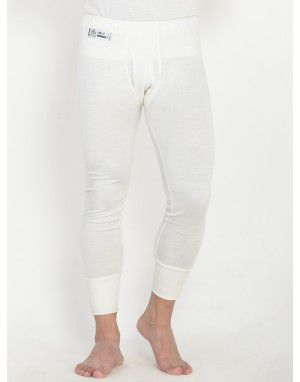
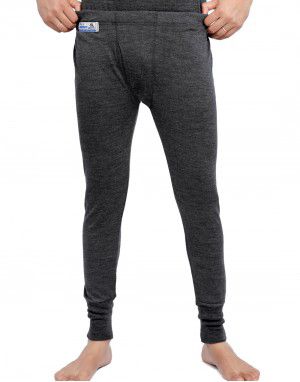
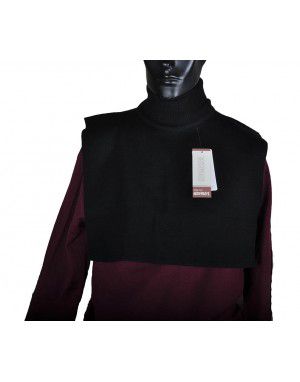
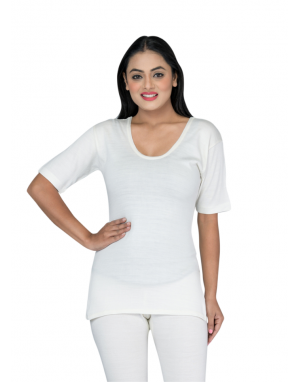
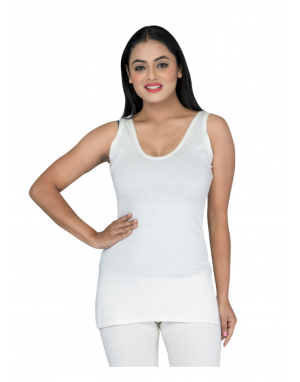
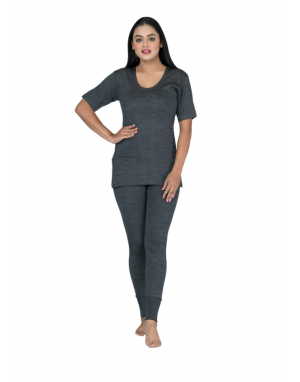
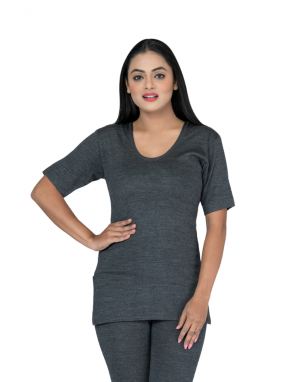
On the off chance that the air outside is cold, you might need to ensure your skin by wearing garments that keep the virus out and the body warmth in.
In any area where there are materials of two radically various temperatures, you might need to give a protecting boundary to keep one from turning into a similar temperature as the other. In such circumstances, the exertion is to limit the exchange of warmth starting with one territory then onto the next.
How insulation functions
Protection is an obstruction that limits the exchange of warmth vitality starting with one material then onto the next by decreasing the conduction, convection or potentially radiation impacts.
Insulating materials
Most protection is utilized to forestall the conduction of warmth. Now and again radiation is a factor. A decent separator is clearly a poor conductor.
Insulation from conduction
Conduction happens when materials—particularly solids—are in direct contact with one another. High motor vitality iotas and atoms find their neighbors, expanding the neighbor's vitality. This expansion in vitality can move through materials and starting with one material then onto the next.
Solid to solid To hinder the exchange of warmth by conduction starting with one solid then onto the next, materials that are poor conductors are put in the middle of the solids. Model include:
Conductive warmth can't travel however a vacuum. That is the reason a bottle has a cleared covering. This kind of warmth can't be moved from one layer to the next through the bottle vacuum.
Gas to solid
To hinder the warmth move among air and a solid,a poor conductor of warmth is set in the middle.
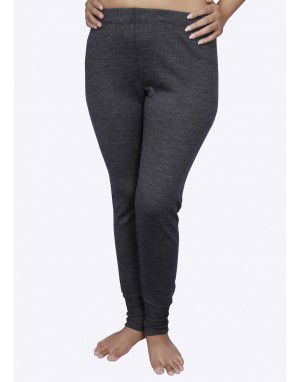
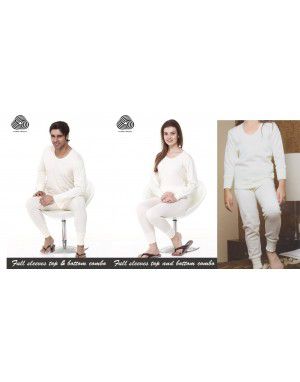
A genuine case of this is putting a layer of dress among you and the cold outside air in the winter. On the off chance that the cold air was in contact with your skin, it would bring down the skin's temperature.Additionally, the attire forestalls body heat from leaving and being lost to the cold air.
Fluid to solid
In like manner, when you swim in water, cold water can bring down your internal heat level through conduction. That is the reason a few swimmers wear elastic wet suits to protect them from the cold water.
Insulation from convection
Convection is move of warmth when a liquid is moving. Since air and water don't promptly direct warmth, they regularly move warmth (or cold) through their movement. A fan-driven heater is a case of this.
Insulation from radiation
Hot and even warm articles transmit infra-red electromagnetic waves, which can warm up objects a ways off, just as lose vitality themselves. Protection against heat move by radiation is typically done by utilizing intelligent materials. A bottle not just has a cleared coating to forestall heat move by conduction, yet it likewise is made of sparkling material to forestall radiation heat move. Radiation from warm nourishment inside the bottle is reflected back to itself. Radiation from warm outside material is reflected to forestall warming cold fluids inside the bottle.